

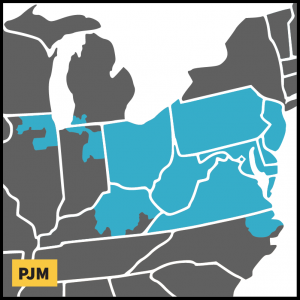
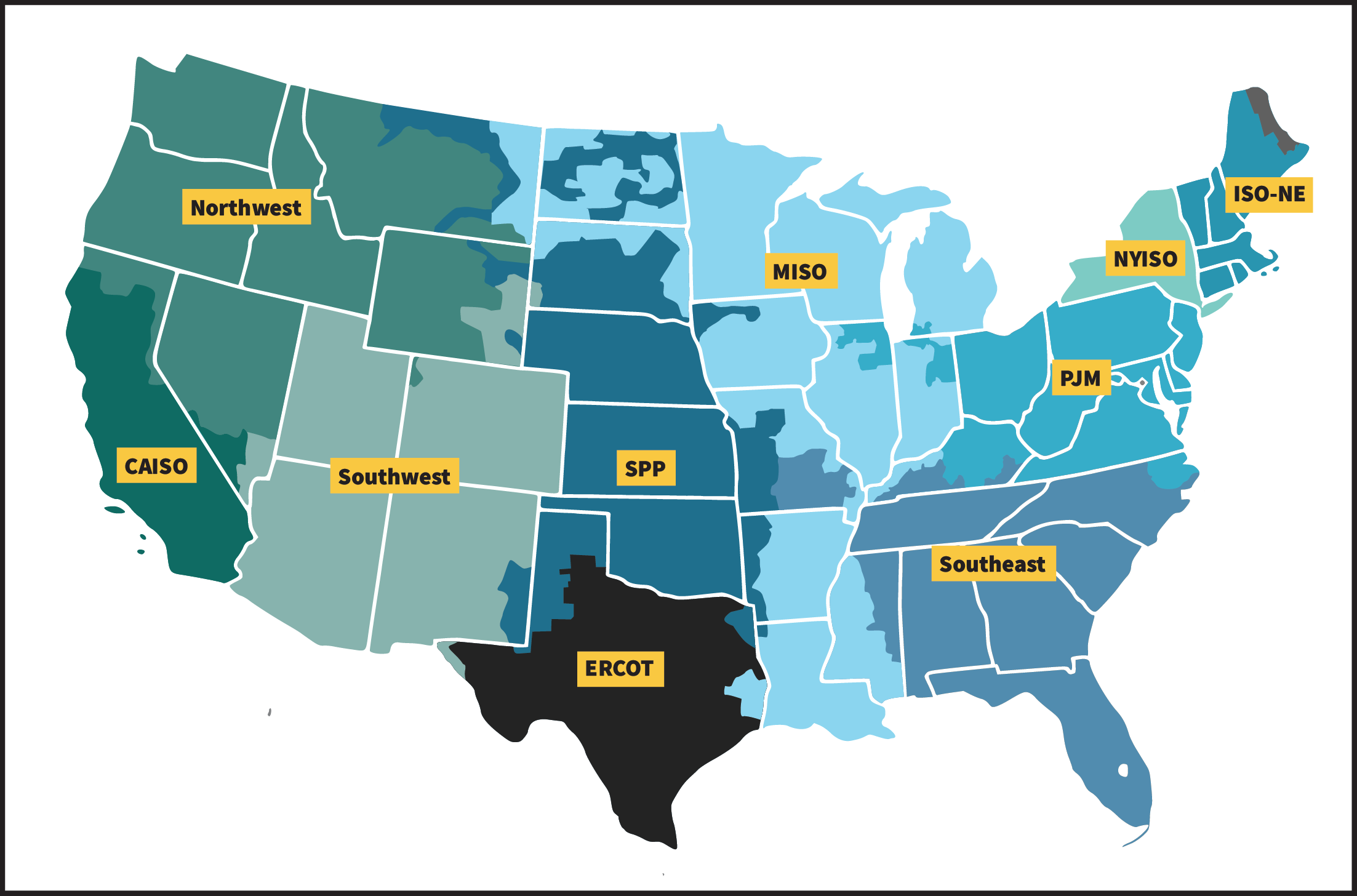
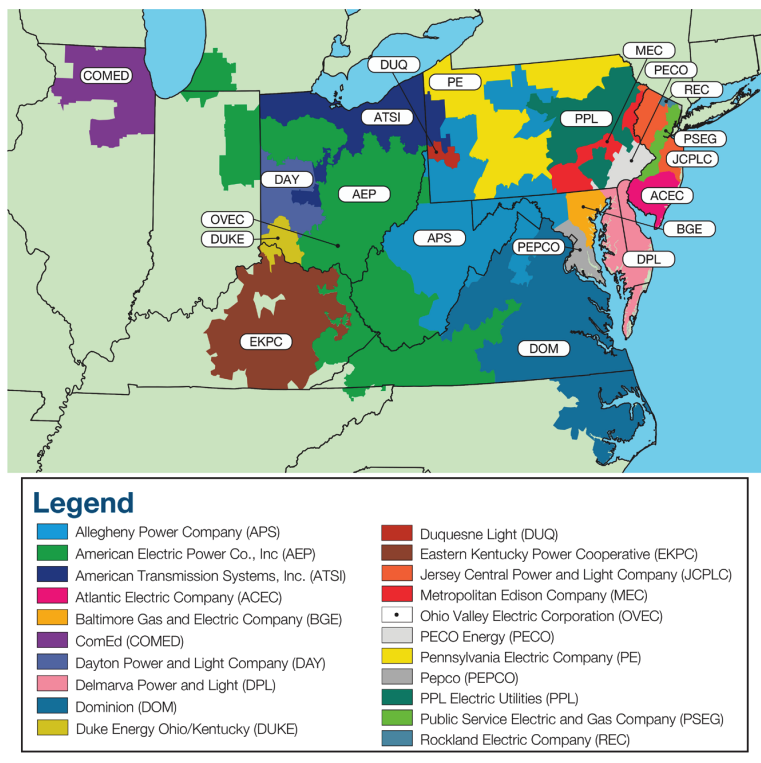
The PJM Interconnection operates a competitive wholesale electricity market and manages the reliability of the high-voltage transmission grid within its jurisdiction. PJM provides open access to transmission and conducts long-term system planning. In its grid management role, PJM centrally dispatches generation and coordinates the movement of wholesale electricity in all or part of 13 states (Delaware, Illinois, Indiana, Kentucky, Maryland, Michigan, New Jersey, North Carolina, Ohio, Pennsylvania, Tennessee, Virginia, and West Virginia) and the District of Columbia. PJM’s markets include energy (day-ahead and real-time), capacity, and ancillary services.
PJM was founded in 1927 as a power pool consisting of three utilities serving customers in Pennsylvania and New Jersey. In 1956, with the addition of two Maryland utilities, it became the Pennsylvania-New Jersey-Maryland Interconnection, or PJM. PJM transitioned into a fully functioning Independent System Operator (ISO) in 1996 and, in 1997, introduced markets featuring bid-based pricing and Locational Marginal Pricing (LMP). PJM was officially designated as a Regional Transmission Organization (RTO) in 2001.
Region: 13 States & District of Columbia
Date: March 7, 2026
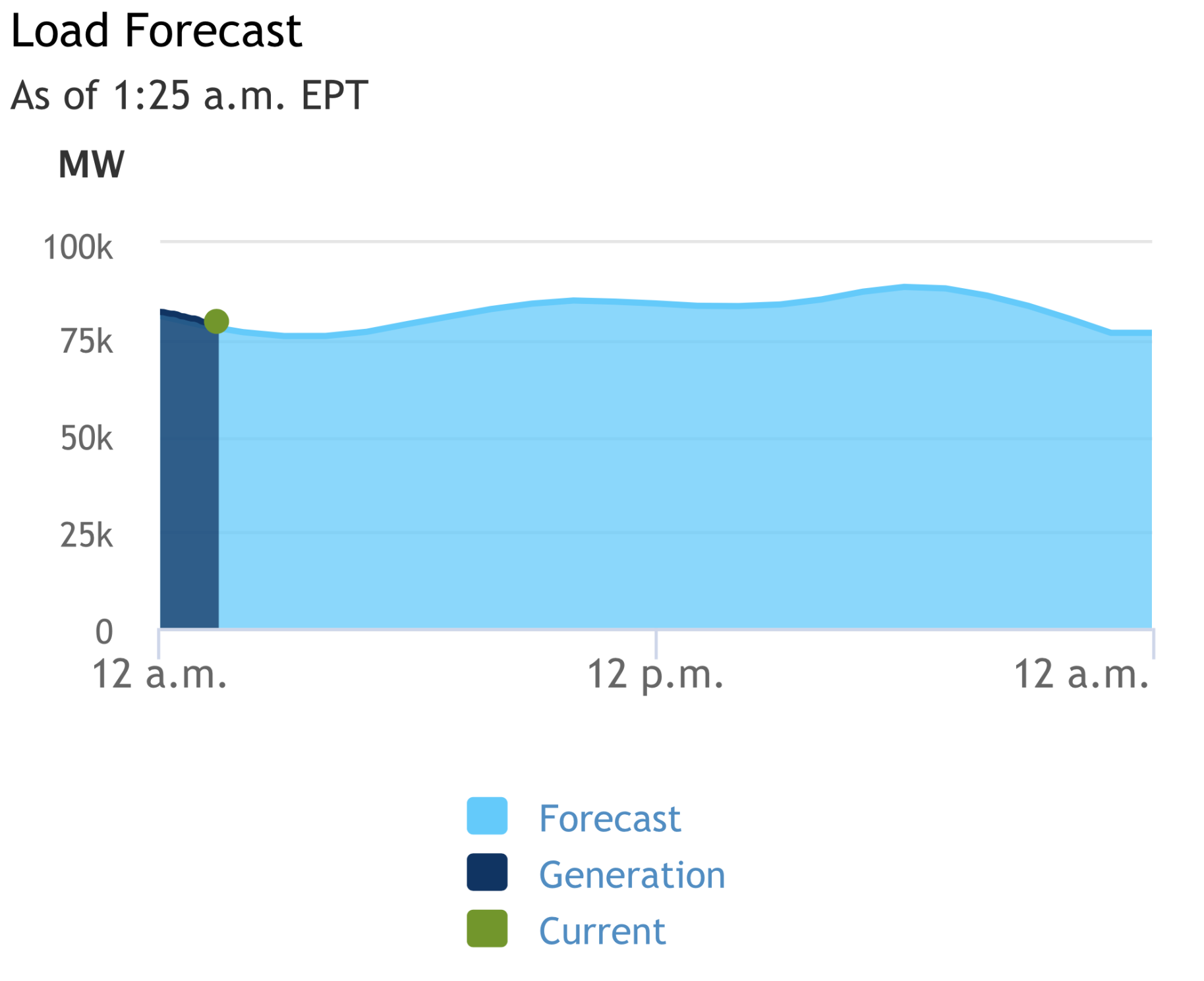
The load demand at PJM reflects the scale of the largest electricity market in North America:
Load Forecast: Peak load is projected to reach 85,099 MW during the morning peak (10:00) and 88,244 MW during the evening peak (19:00).
Load Characteristics: Unlike California (CAISO), PJM maintains a very high baseload driven by data centers in Northern Virginia and various industrial zones. However, the trend toward the electrification of heating is making the load profile increasingly sensitive to morning weather fluctuations.
PJM maintains stability through a highly diversified generation mix, bolstered by a surge in new resources:
Renewable Energy:
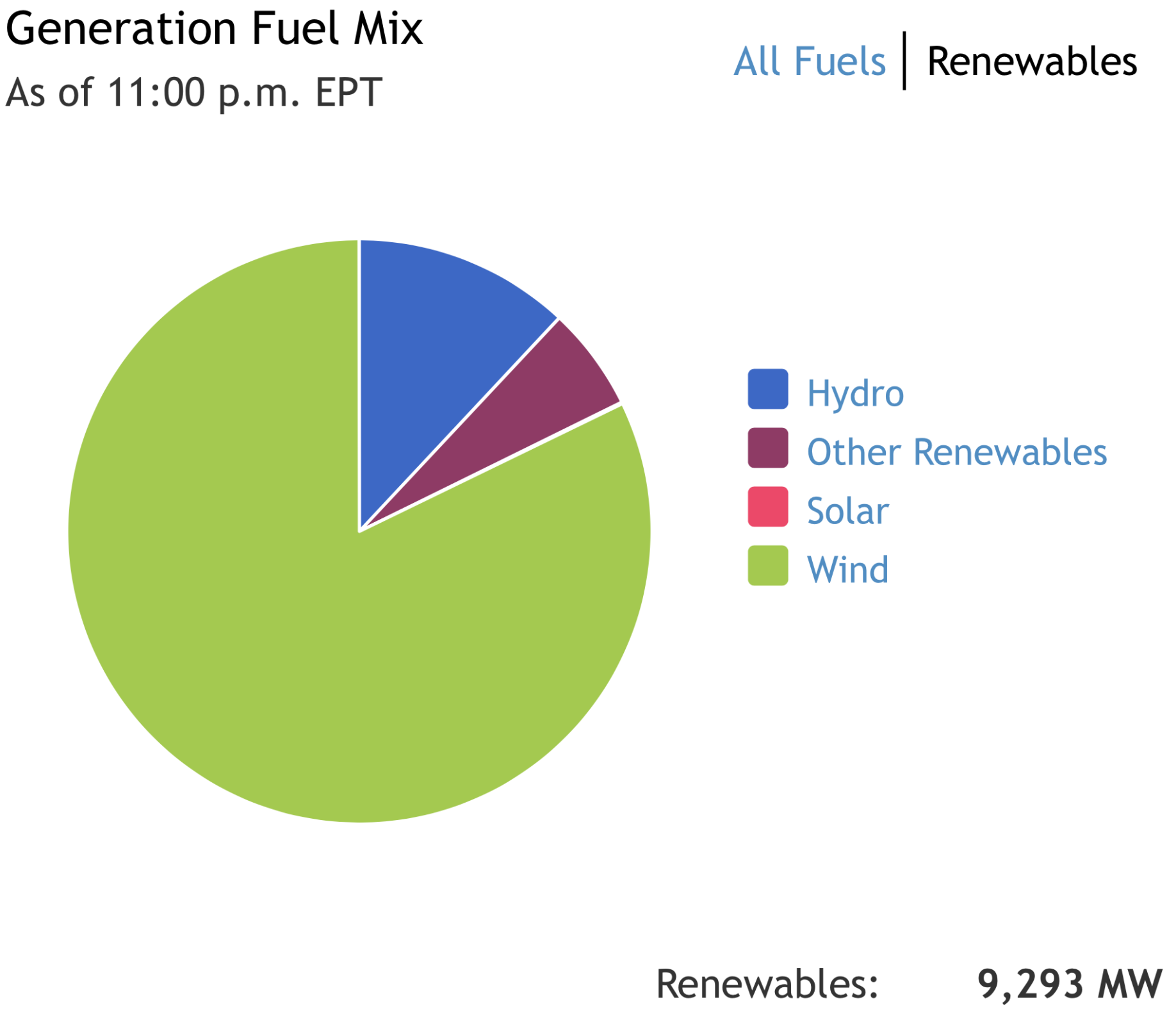
Wind Power: The primary contributor within the renewable sector, with a capacity of up to 7,639 MW, concentrated in Western states like Illinois and Indiana. Notably, offshore wind projects are beginning to supply significant output to the Eastern seaboard.
Solar Power: While currently representing a lower share, solar is experiencing rapid growth in Virginia and Maryland.
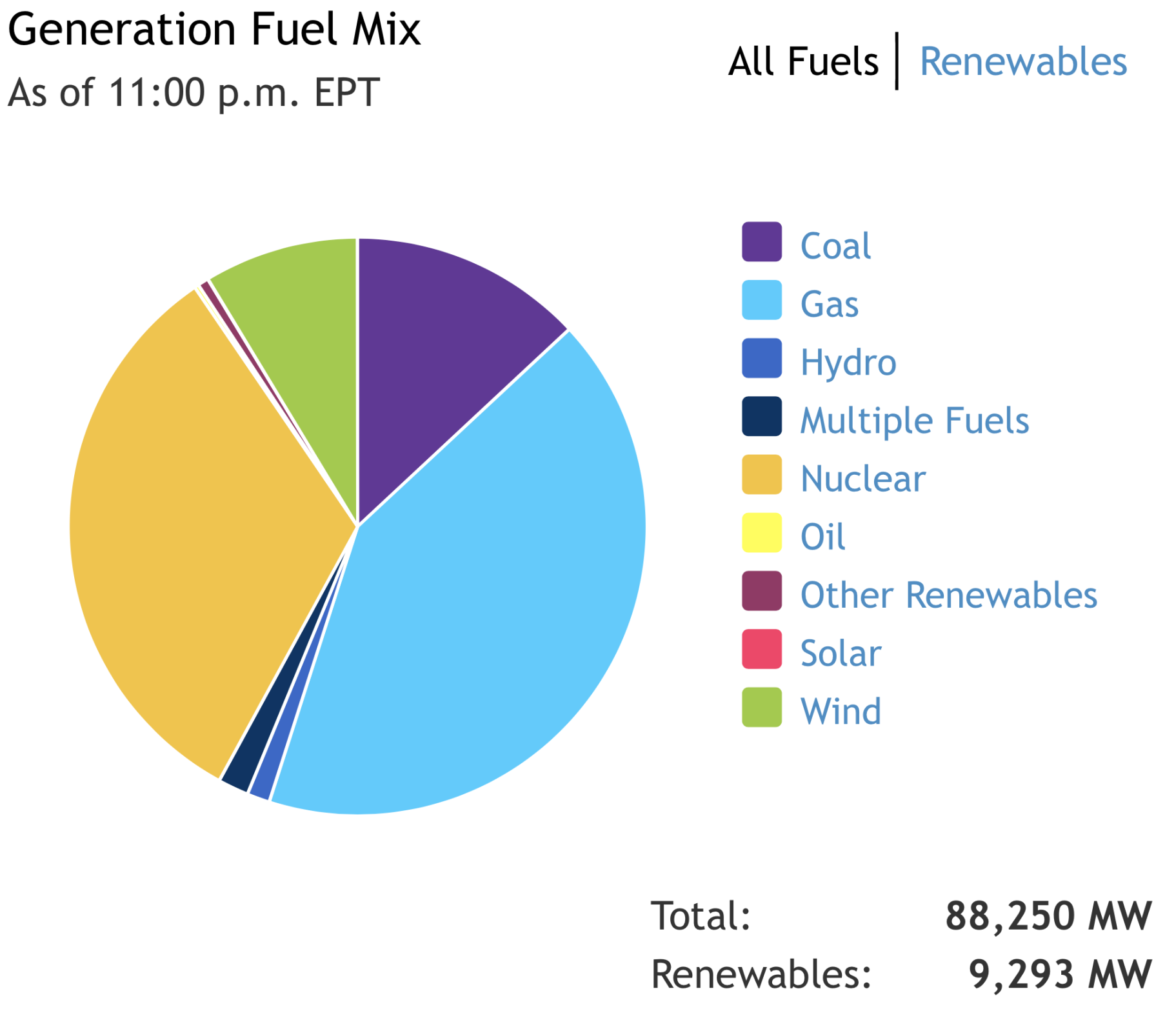
Baseload Resources: Nuclear and Natural Gas continue to hold a dominant share, ensuring system security when wind and solar output fluctuate.
Capacity Market: PJM mobilizes long-term reserve resources to ensure that the reserve margin consistently meets safety standards for all 13 states.
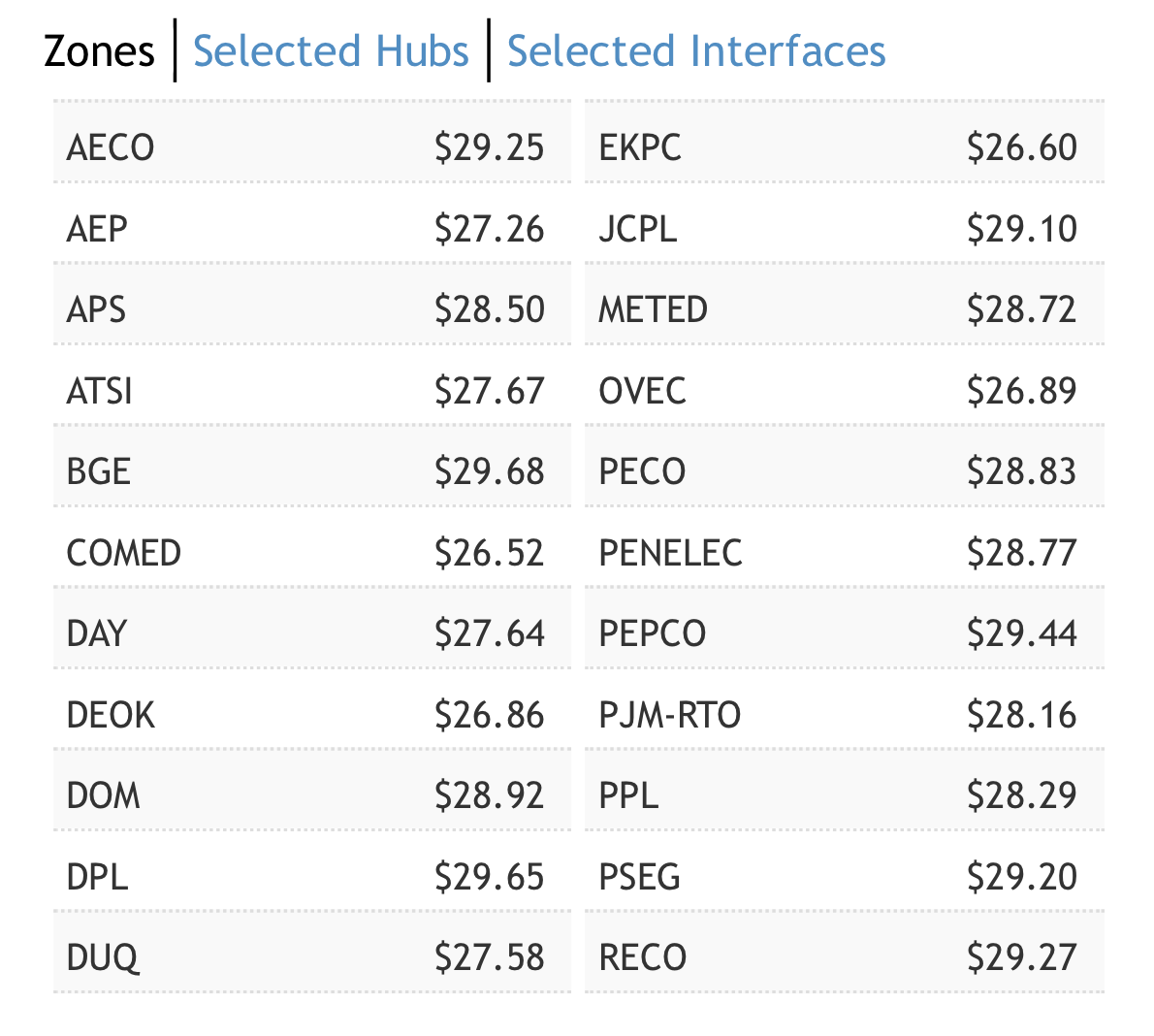
LMP Mechanism: Locational Marginal Prices clearly reflect the status of transmission congestion.
Regional Volatility: LMP in Eastern regions (near major metropolitan hubs) is typically higher than in the West due to higher demand and transmission costs.
Renewable Impact: The increase in wind generation in Western states occasionally triggers localized low-pricing events caused by transmission constraints when moving power to the East.
Source: PJM

Write a comment
Các trường bắt buộc được đánh dấu *