

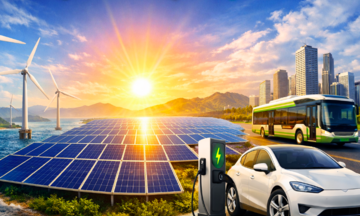
Speaking with Ministry Of Industry And Trade, Mr. Nguyen Huu Khoa, a lecturer at the Ho Chi Minh City Electric Power College and a member of the Vietnam Energy Association noted that between 2023 and 2025, electricity prices in Vietnam increased due to fluctuations in input fuel costs, reflecting the growing pressure on the national power system.
In this context, the development of new energy sources, particularly renewables, has become an urgent requirement to ensure long-term energy security and a stable supply. According to Mr. Khoa, the National Power Development Plan for the 2021–2030 period with a vision to 2050 (PDP VIII) and its subsequent amendments have defined a strategic orientation for clean energy, promoting energy efficiency and greenhouse gas emission reductions in line with global transition trends.
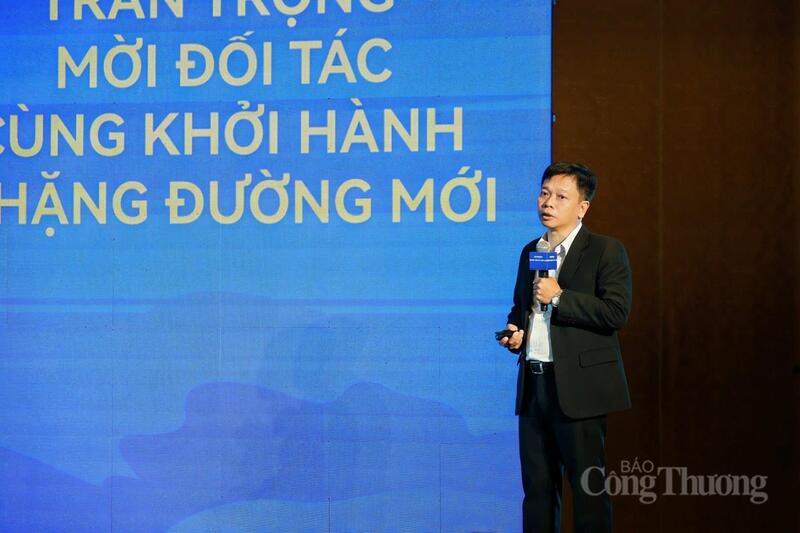
Mr. Nguyen Huu Khoa, a lecturer at the Ho Chi Minh City Electric Power College.
Vietnam currently boasts 428 industrial parks and over 1,000 industrial clusters, with nearly 80,000 enterprises and secondary investors operating in industrial, export processing, and high-tech zones. These areas represent high electricity consumption hubs and a prime market for rooftop solar.
“Given the current scale of industrial development, the technical potential for rooftop solar in industrial parks could exceed 40,000 MWp. However, the installation rate currently stands at only 5 - 7%, indicating vast untapped potential. In residential areas, the implementation rate is even lower, below 1% despite the rising demand for domestic electricity," Mr. Nguyen Huu Khoa stated.
He further emphasized that rooftop solar brings practical benefits, including reduced electricity costs, enhanced energy autonomy, the ability to sell surplus power, and a reduction in greenhouse gas emissions.
Notably, Directive No. 10, issued by the Prime Minister on March 30, 2026, sets a target for 10% of government offices and 10% of households to install rooftop solar in the near future. The policy also encourages integration with energy storage systems, provides state budget allocations for implementation, and mandates public disclosure of procedures to facilitate citizen participation.
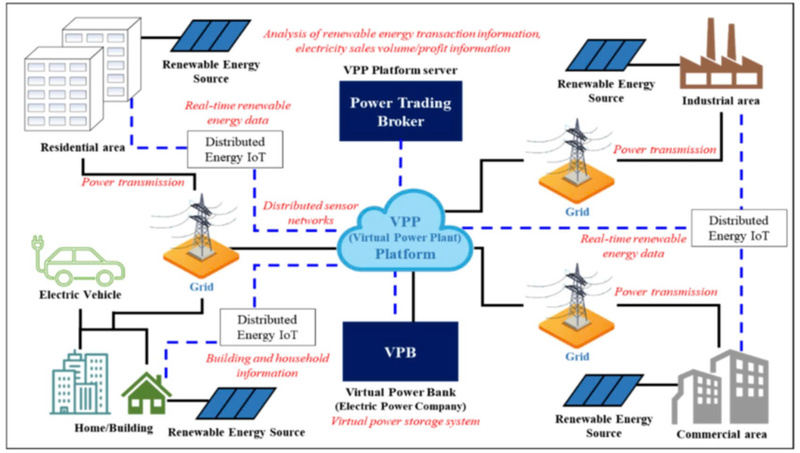
Model of intergrated PV and VPP
Energy Storage: A Solution for System Balancing and Reliability
Mr. Khoa pointed out that energy storage systems, particularly Battery Energy Storage Systems (BESS), play a vital role in minimizing energy waste from renewables and enhancing grid stability. These systems help balance the intermittent nature of renewable sources, improve grid reliability, and reduce dependence on fossil fuels.
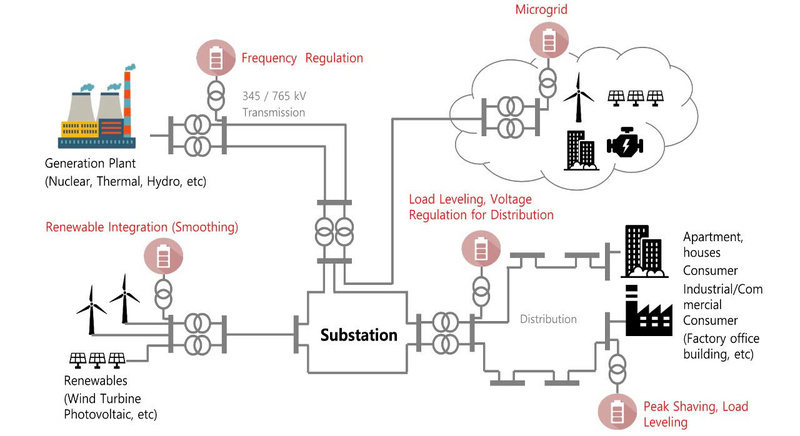
The role of Energy storage system
According to PDP VIII, energy storage systems in Vietnam will be developed near wind and solar power sources or large load centers. The targets are set as follows:
-
By 2030: Total storage capacity to reach 10,000 – 16,300 MW.
-
By 2050: Total storage capacity to reach approximately 95,983 – 96,120 MW.
Furthermore, technical regulations mandate that concentrated solar projects must integrate storage systems with specific requirements: a minimum storage capacity of 10% of the plant's output, a 2-hour storage/discharge duration, and a charging rate of 5% of the plant's generation.
"The development of energy storage will be a key factor in enhancing the efficiency of renewable energy exploitation and ensuring the safe and stable operation of the power system in the future" Mr. Khoa added.
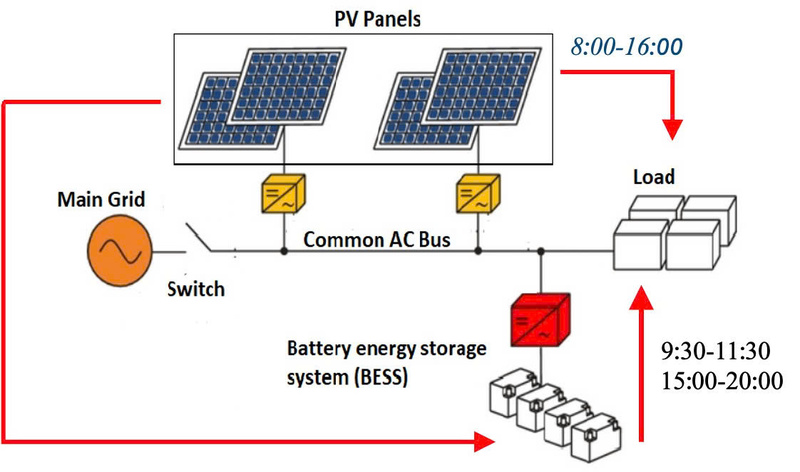
PV and BESS for manufacturing.
Transitioning to Electric Vehicles: An Inevitable Trend for Green Transport
Beyond power generation, the transition to electric vehicles (EVs) is being promoted to reduce emissions and improve energy efficiency. Mr. Khoa noted that exhaust from conventional vehicles is a toxic mix of CO, NOx, hydrocarbons, and PM2.5 fine dust, which severely affects the environment and public health.
In response, the Government has issued a roadmap for energy transition in the transport sector. Targets include:
-
From 2025: 100% of new bus replacements must use electricity or green energy.
-
By 2030: 50% of the total bus fleet to use green energy; all new/replacement taxis and buses to be electric or green-energy-powered, heading toward a 100% transition for these groups in the future.
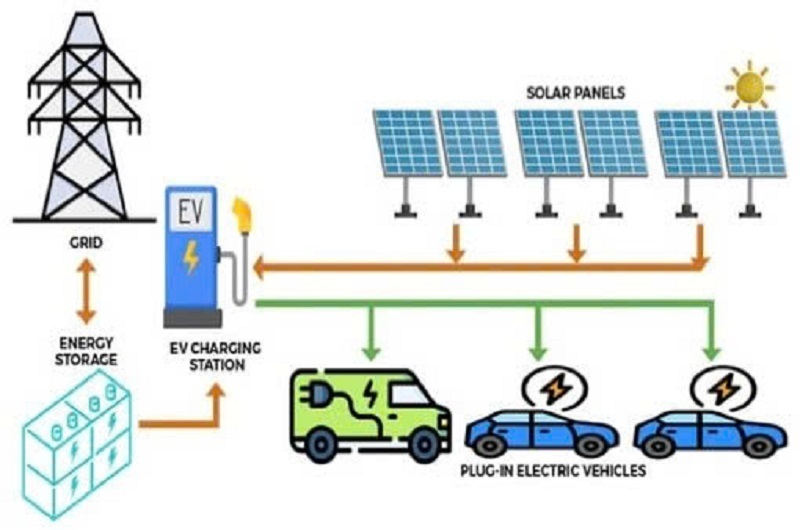
Charging stations combine with PV, BESS and gird.
"The shift to EVs not only reduces emissions but also creates opportunities for new industries and promotes domestic manufacturing localization. To establish a nationwide charging network, Vietnam will require massive investment over the coming decades" Mr. Khoa emphasized.
Specifically, estimated investment needs for charging infrastructure are:
-
By 2030: ~2.2 billion USD.
-
By 2040: ~13.9 billion USD.
-
By 2050: ~32.6 billion USD.
Despite the high initial costs, the long-term benefits are substantial. Mr. Khoa cited that in 2025, Vietnam imported over 9.9 million tons of petroleum products, totaling approximately 6.8 billion USD. Transitioning to EVs is expected to significantly reduce this reliance on fossil fuel imports.
Under an accelerated decarbonization scenario, the shift to EVs is projected to yield significant economic and environmental gains: reducing CO2 emissions by 5.3 million tons by 2030 and 226 million tons by 2050; saving approximately 498 billion USD in oil import costs; and reducing environmental damage from local air pollution by 6.4 billion USD by 2050.
Mr. Nguyen Huu Khoa concluded that rooftop solar, energy storage, and electric vehicles will be the focal points of Vietnam's energy transition. These sectors will not only enhance energy security and ensure stable supply but also gradually reduce fossil fuel dependence, steering toward a green and sustainable energy future.
Source: Ministry of Industry and Trade
Mr. Nguyen Huu Khoa, Deputy Director of iSEAR Institute

Write a comment
Các trường bắt buộc được đánh dấu *