

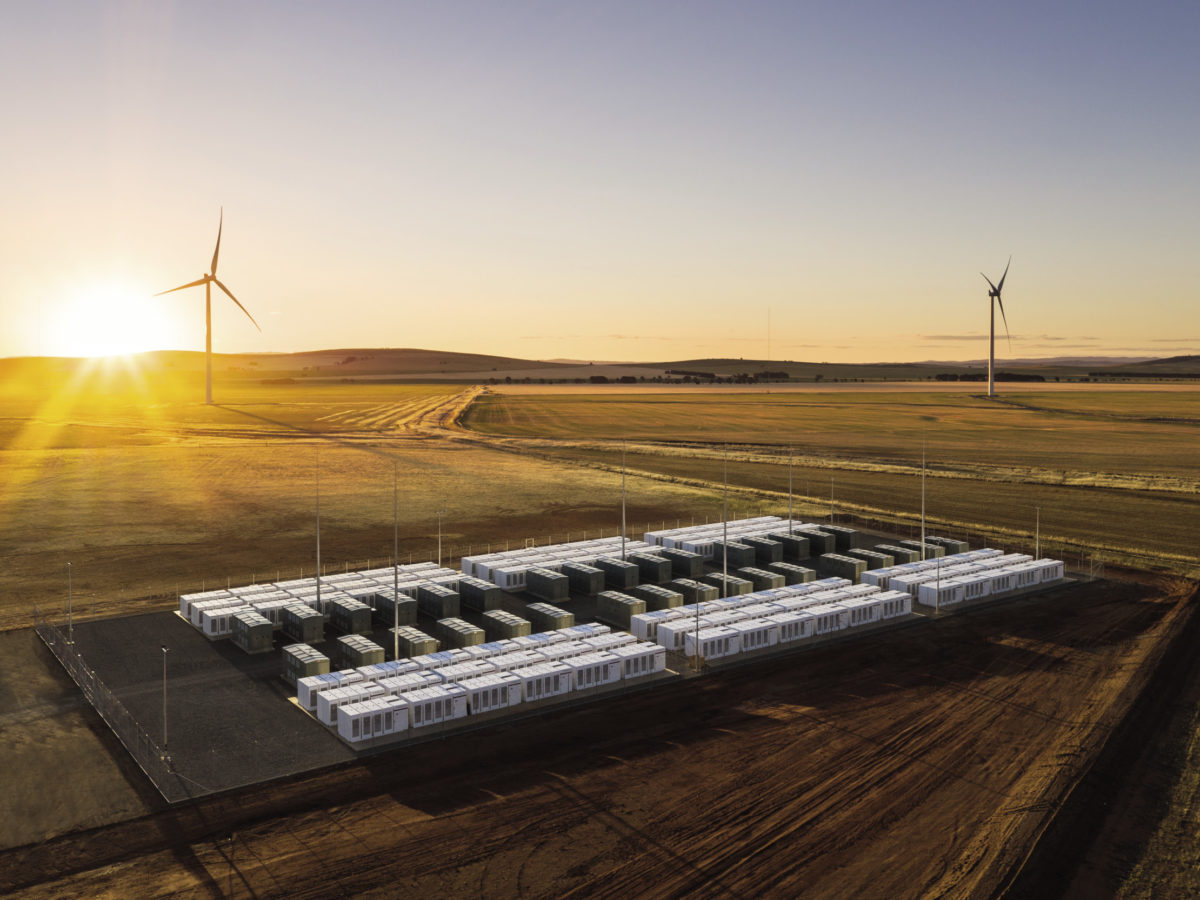
Quá trình chuyển dịch năng lượng sạch của Úc vừa đạt được một cột mốc quan trọng.
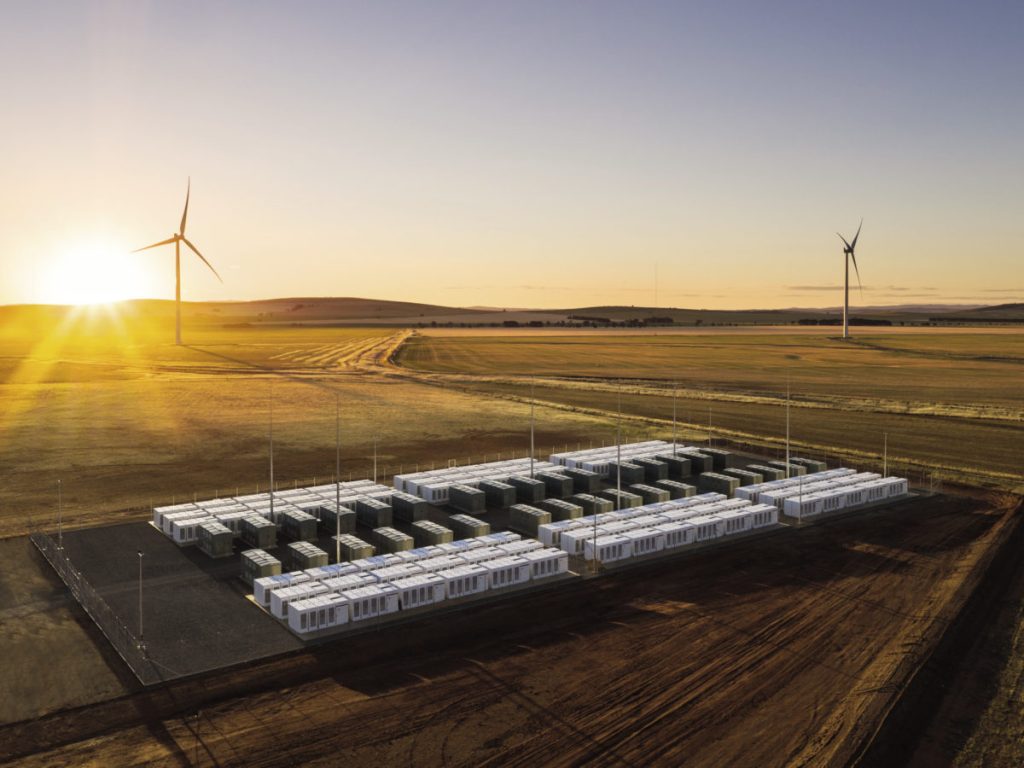
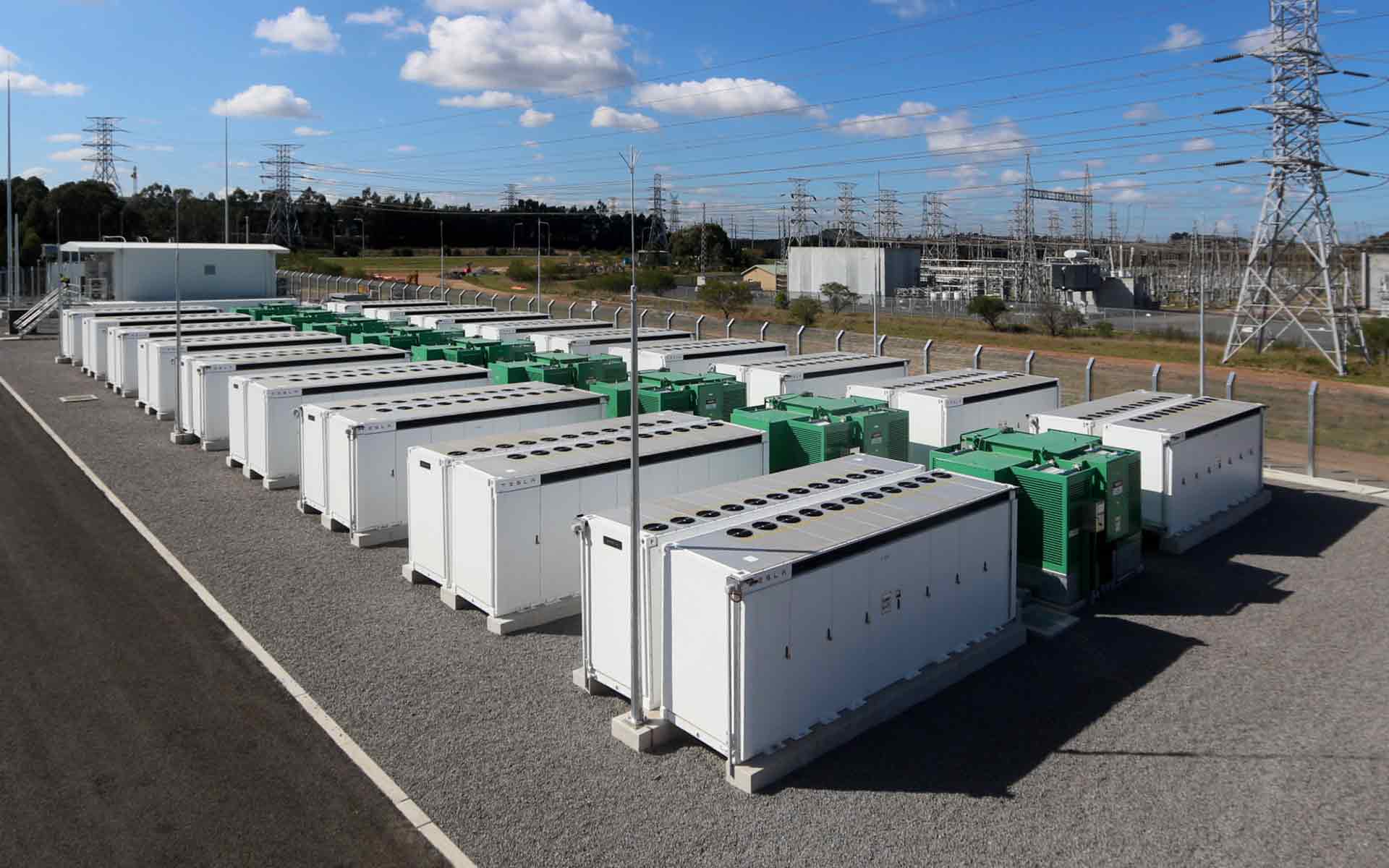
Trạm dự trữ năng lượng Hornsdale của Neoen (150 MW / 194 MWh), Nam Úc.
Năm dự án hệ thống lưu trữ năng lượng bằng pin (BESS) quy mô lớn do ARENA tài trợ, được trang bị các bộ nghịch lưu tạo lưới (grid-forming - GFM), hiện đã được đấu nối vào Thị trường Năng lượng Quốc gia (NEM), với ba dự án nữa dự kiến sẽ đi vào hoạt động trong năm tới. Đây không chỉ là những đơn vị lưu trữ hấp thụ lượng điện mặt trời và điện gió dư thừa, chúng còn là những nhân tố chủ động giúp ổn định lưới điện và viết lại các quy tắc về cách thức vận hành của hệ thống điện hiện đại. Đối với một ngành công nghiệp từ lâu đã tranh luận về vai trò của pin lưu trữ trong việc cung cấp "độ cứng hệ thống" (system strength), cột mốc này mang ý nghĩa vô cùng to lớn. Nó đánh dấu khoảnh khắc pin lưu trữ không còn là một vai phụ mà đã trở thành trọng tâm trong việc duy trì nguồn điện liên tục.
Hai báo cáo, một hành trình học hỏi
Để nắm bắt các bài học từ hành trình này, ARENA đã ủy quyền cho Ekistica thực hiện một chuỗi báo cáo gồm hai phần. Báo cáo đầu tiên, Các Bài học Rút ra và Hướng đi Tương lai từ Danh mục Pin Tạo lưới của ARENA (tháng 6 năm 2025), đã xem xét bốn dự án tiên phong: Dự án Mở rộng Trạm Tích trữ Năng lượng Hornsdale, Pin Lưới điện Wallgrove, BESS Broken Hill và Darlington Point BESS.
Những minh chứng ban đầu này đã chứng minh rằng các bộ nghịch lưu tạo lưới có thể cung cấp quán tính giả lập (synthetic inertia - rất quan trọng đối với độ ổn định tần số), cung cấp độ cứng hệ thống cho các khu vực lưới điện yếu và hoạt động song song với các nguồn phát năng lượng tái tạo mà không làm mất ổn định hệ thống. Chúng cũng làm bộc lộ những thực tế khắc nghiệt: đàm phán các Tiêu chuẩn Hiệu suất Máy phát (Generator Performance Standards) theo các quy định được thiết kế mà không tính đến công nghệ tạo lưới, vượt qua các mô hình hộp đen không minh bạch của nhà sản xuất thiết bị gốc (OEM), và tìm kiếm giá trị thương mại trong các dịch vụ mà thị trường chưa chính thức công nhận.
Báo cáo thứ hai, Các Phát hiện Ban đầu từ Vòng Dự án Pin Tạo lưới Thứ hai của ARENA: Báo cáo Cập nhật (tháng 10 năm 2025) xây dựng dựa trên những bài học này, cho thấy cách ngành công nghiệp đã bắt đầu tiêu chuẩn hóa các phương pháp tiếp cận, các cơ quan quản lý đã điều chỉnh các bộ quy tắc lưới điện và các nhà phát triển hiện coi GFM là một năng lực mặc định chứ không phải là một tiện ích bổ sung mang tính đầu cơ.
Tại sao khoảnh khắc này lại quan trọng
Lưới điện của Úc theo truyền thống phụ thuộc vào các máy phát đồng bộ (synchronous generators) thông thường, như các nhà máy điện than và khí, để cung cấp độ cứng hệ thống: bao gồm các dạng sóng điện áp ổn định và quán tính cần thiết để duy trì nguồn điện. Khi các cơ sở này ngừng hoạt động, lưới điện trở nên dễ bị tổn thương hơn trước các sự cố gián đoạn.
Trong lịch sử, các lựa chọn để thay thế độ cứng hệ thống rất hạn chế. Máy bù đồng bộ (Synchronous condensers) là một công nghệ đã được hiểu rõ, nhưng đắt đỏ, thiếu linh hoạt và triển khai chậm chạp. Pin bám lưới (Grid-following batteries) rẻ hơn và linh hoạt hơn, nhưng không có khả năng cung cấp các dịch vụ ổn định tương tự.
Các bộ nghịch lưu tạo lưới thay đổi cuộc chơi, cho phép pin duy trì tần số và điện áp ổn định, an toàn, đưa chúng trở thành nền tảng của một hệ thống điện bị chi phối bởi năng lượng tái tạo.
Với chín dự án pin tạo lưới do ARENA hỗ trợ cam kết triển khai công nghệ này ở quy mô lớn, Úc đang gửi một tín hiệu rõ ràng tới thị trường toàn cầu rằng pin GFM đã chuyển từ giai đoạn thử nghiệm sang giai đoạn khả thi để đầu tư.
Nghiên cứu Điển hình: Hệ thống Pin Western Downs
Một trong những ví dụ rõ ràng nhất về sự chuyển dịch này là Hệ thống Pin Western Downs của Neoen ở Queensland. Ban đầu được đưa vào vận hành như một tài sản bám lưới (grid-following), dự án đã được nâng cấp sang chế độ tạo lưới (grid-forming) vào tháng 3 năm 2025 với 21 triệu đô la tài trợ từ ARENA. Đến tháng 9 năm 2025, công suất của nó đã tăng gấp đôi lên 540 MW / 1.080 MWh, trở thành hệ thống pin tạo lưới đang hoạt động có quy mô lớn nhất ở Nam Bán Cầu.
Dự án đã chứng minh rằng việc nâng cấp phần mềm cơ sở (firmware upgrades) và tinh chỉnh bộ điều khiển cẩn thận có thể mở khóa khả năng tạo lưới, đồng thời cho các cơ quan quản lý và các nhà phát triển thấy rằng công nghệ này có thể được triển khai ở quy mô chưa từng có. Western Downs đứng như một minh chứng mạnh mẽ về việc tầm nhìn của ARENA được chuyển hóa từ chính sách và hỗ trợ tài trợ, thành độ cứng hệ thống trong thế giới thực.
Tác động của dự án này vươn xa ra ngoài nước Úc. Các nhà sản xuất bộ nghịch lưu toàn cầu đang theo dõi sát sao, điều chỉnh các sản phẩm của họ để đáp ứng các yêu cầu khắt khe của hệ thống NEM. Những thách thức lưới điện đặc thù của Úc như khoảng cách truyền tải xa, các điểm đấu nối yếu và tỷ lệ thâm nhập năng lượng tái tạo cao, khiến nơi đây trở thành một nghiên cứu điển hình tuyệt vời cho phần còn lại của thế giới. Các bài học rút ra tại Western Downs hiện đang cung cấp cơ sở cho các tiêu chuẩn quốc tế và ảnh hưởng đến thiết kế của các bộ nghịch lưu thế hệ tiếp theo. Nhờ đó, Úc không chỉ phi carbon hóa lưới điện của riêng mình mà còn định hình cách thức các hệ thống điện tiên tiến ở khắp mọi nơi sẽ tích hợp năng lượng tái tạo.
Và những lợi ích cũng chảy ngược về trong nước. Bằng cách thúc đẩy chuỗi cung ứng toàn cầu phát triển nhanh hơn, các nhà phát triển Úc hiện có quyền tiếp cận vào các công nghệ bộ nghịch lưu cạnh tranh và trưởng thành hơn mà có thể sẽ không tồn tại nếu không có quá trình này. Sự quan tâm ngày càng tăng của quốc tế cũng thu hút nhiều dòng vốn đầu tư tư nhân hơn vào các dự án địa phương, mang lại cho các nhà phát triển Úc lợi thế của người tiên phong và củng cố vị thế của đất nước như một đơn vị dẫn đầu toàn cầu về công nghệ tạo lưới.
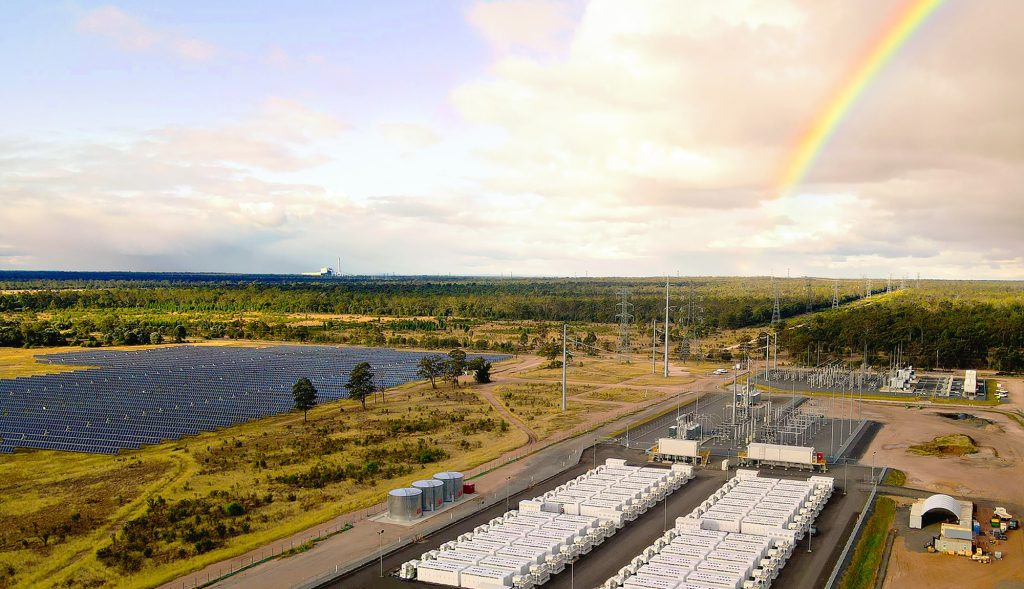
Chúng ta đã đi đến giai đoạn này như thế nào
Khoảnh khắc này là kết quả của một quá trình dài. Trong phần lớn thập kỷ qua, các nhà phát triển đã tránh né công nghệ tạo lưới. Các lý do rất rõ ràng:
- Sự bất định về khuôn khổ pháp lý: Quá trình phê duyệt đấu nối lưới điện diễn ra chậm chạp và khó đoán, việc không có một khuôn khổ nhất quán cho các bộ nghịch lưu tiên tiến gây ra các điểm nghẽn và các cuộc đàm phán phê duyệt kéo dài.
- Rủi ro công nghệ: Có rất ít OEM sở hữu các sản phẩm tạo lưới đã được chứng minh trong thực tế, chứ chưa nói đến việc có kinh nghiệm điều hướng quá trình đấu nối cực kỳ nghiêm ngặt của Úc.
- Tín hiệu thị trường: Không có động lực tài chính nào để gánh chịu thêm chi phí hoặc rủi ro. Công nghệ tạo lưới được coi là có rủi ro cao hơn với khả năng gây chậm trễ trong việc phê duyệt đấu nối, vì vậy các bên tham gia thị trường ưu tiên công nghệ bám lưới (grid-following) truyền thống hơn.
Cả hai báo cáo của Ekistica đều làm nổi bật cách những điều này đã thay đổi:
- Cải cách quy định: Việc áp dụng các khoản phí độ cứng hệ thống (system strength charges) vào năm 2021 đồng nghĩa với việc các dự án pin mới có thể phải đóng phạt nếu chúng không thể đóng góp vào độ cứng hệ thống, hoặc phải tự khắc phục bằng khả năng tạo lưới. Đột nhiên, việc chọn công nghệ bám lưới đi kèm với gánh nặng tài chính và làm đảo ngược logic thương mại.
- Đổi mới từ OEM: Sự can thiệp của ARENA thông qua một chương trình tài trợ được thiết kế đặc biệt yêu cầu các nhà cung cấp bộ nghịch lưu phải đẩy nhanh việc phát triển các sản phẩm tạo lưới của họ. Nơi từng không có ai, giờ đây đã có bốn OEM hàng đầu đang cạnh tranh, một sự chuyển dịch đáng chú ý chỉ trong vài năm.
- Kinh nghiệm được tích lũy: Mỗi dự án đều xây dựng dựa trên nền tảng của dự án trước đó. Pin Western Downs của Neoen hưởng lợi trực tiếp từ các bài học tại Hornsdale và Victorian Big Battery. AGL và Origin đã tuyển dụng các nhóm kỹ sư có kinh nghiệm GFM trước đó để giảm thiểu rủi ro cho các dự án của họ.
- Sự tiếp thu của các tổ chức: Cơ quan Điều hành Thị trường năng lượng Úc (AEMO) và các Nhà cung cấp Dịch vụ Mạng lưới (NSP) đã trở nên tự tin và thực tế hơn trong việc áp dụng các quy tắc, được hỗ trợ bởi kiến thức thu được từ những dự án tiên phong do ARENA hỗ trợ này.
- Sự thèm khát của thị trường ngày càng tăng: Sức hút từ quỹ tài trợ 100 triệu đô la của ARENA ban đầu đã thúc đẩy các hồ sơ đăng ký. Nhưng hiện nay, các dự án đang đạt được Quyết định Đầu tư Tài chính (FID) mà không cần thêm trợ cấp; một dấu hiệu cho thấy hồ sơ rủi ro đã được cải thiện và tình huống kinh doanh đang dần rõ ràng.
Những gì từng bị coi là quá rủi ro và đắt đỏ, giờ đây đã trở nên khả thi và ngày càng được kỳ vọng sẽ trở thành sự lựa chọn mặc định.
Vai trò của ARENA trong việc định hình thị trường
Sự thay đổi này không xảy ra một cách tình cờ. Sự can thiệp từ sớm của ARENA đóng vai trò sống còn trong việc giảm rủi ro áp dụng công nghệ và tăng tốc chuỗi cung ứng. Bằng cách bù đắp chi phí gia tăng của khả năng tạo lưới thông qua các khoản tài trợ trong các dự án ban đầu, ARENA đã tạo ra một không gian an toàn để các nhà phát triển thử nghiệm công nghệ và mạnh dạn đầu tư.
Vòng Tài trợ Pin Quy mô Lớn cũng châm ngòi cho sự cạnh tranh lành mạnh. Từ việc chỉ có một giải pháp OEM duy nhất trước đây, giờ đã có bốn giải pháp, mỗi giải pháp đều được thúc đẩy đổi mới nhờ các yêu cầu tài trợ của ARENA. Hơn nữa, nó cung cấp cho các nhà phát triển "tấm khiên" họ cần để điều hướng sự bất định về quy định lưới. Bằng cách yêu cầu mọi dự án phải chia sẻ thông tin chi tiết và dữ liệu, ARENA đảm bảo rằng tri thức được tạo ra thông qua tài trợ công sẽ lan tỏa khắp toàn ngành.
Kết quả là gì? Những gì bắt đầu như một chương trình ngách hiện đang định hình lại toàn bộ thị trường. Các nhà phát triển ngày càng tự tin trong việc lựa chọn các bộ nghịch lưu tạo lưới, và dòng vốn tư nhân đang đổ vào theo sau. Một số dự án đã đạt được quyết định đầu tư tài chính mà không cần hỗ trợ tài chính bổ sung từ nhà nước, một ví dụ kinh điển về cách đầu tư công chiến lược có thể mở khóa vốn tư nhân và thúc đẩy quá trình chuyển dịch công nghệ.
Chia sẻ kiến thức: Xây dựng một ngành công nghiệp, không chỉ là các dự án
Đội ngũ pin tạo lưới đang hoạt động của Úc dù nhỏ nhưng mang tầm quan trọng toàn cầu. Mỗi dự án mới là một cơ hội học hỏi sống còn. Báo cáo cập nhật ghi lại chi tiết cách quá trình chuyển đổi này đã diễn ra. Trong số các thông tin chuyên sâu chính:
- Việc tích hợp rất khó khăn. Các dự án phụ thuộc vào nhiều OEM khác nhau cho bộ nghịch lưu, bộ điều khiển và thiết kế hệ thống đã gặp phải các vấn đề về khả năng tương thích, làm chậm quá trình chạy thử (commissioning) và hạn chế sự tham gia thị trường. Những dự án chọn một giải pháp tích hợp duy nhất đạt được kết quả tốt hơn.
- Tinh chỉnh mô hình là một quá trình lặp đi lặp lại. Các nhà phát triển ban đầu mô tả quá trình này là quá trình "thử và sai tốn thời gian", phải cân bằng giữa nhu cầu mạng lưới, tiêu chuẩn hiệu suất và biên độ thương mại.
- Khoảng trống dữ liệu là vấn đề lớn. Sự thiếu hụt dữ liệu mạng lưới đặc thù theo từng vị trí (location-specific network data) đã làm trì hoãn quá trình tinh chỉnh, khiến các nhà phát triển kêu gọi AEMO và các NSP cung cấp các nghiên cứu diện rộng sớm hơn và minh bạch hơn.
- Quy định lưới đang được cải thiện, nhưng thiếu đồng bộ. Việc thay đổi quy tắc của AEMC vào tháng 5 năm 2025 đã làm giảm bớt một số yêu cầu khắt khe nhất về hiệu suất máy phát, chẳng hạn như thời gian xác lập dòng điện phản kháng (reactive current settling times). Nhưng sự không nhất quán vẫn tồn tại giữa các NSP, và NER vẫn phân loại các bộ nghịch lưu tạo lưới là "không đồng bộ" (asynchronous), chưa phản ánh đúng đặc tính hoạt động giống như máy điện đồng bộ của chúng.
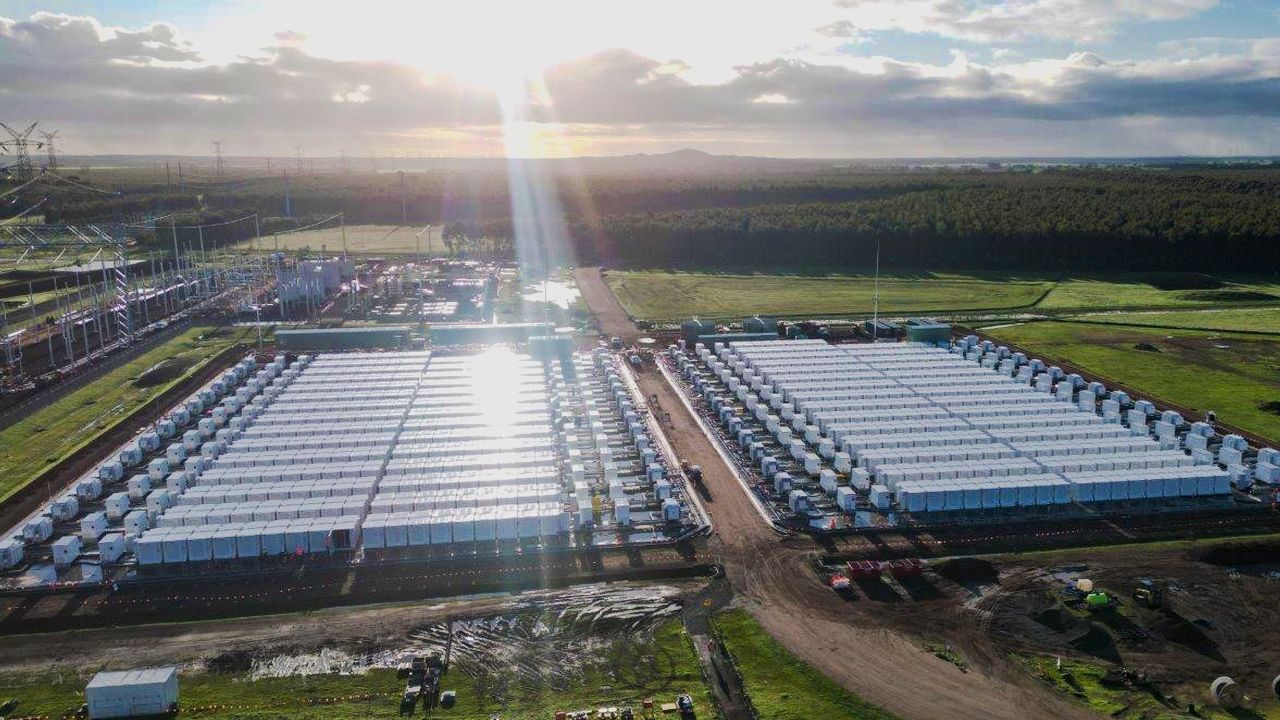
Những thông tin chuyên sâu thiết yếu về thị trường
Một trong những phát hiện rõ ràng nhất từ báo cáo cập nhật là công nghệ tạo lưới đang nhanh chóng trở thành tiêu chuẩn mới. Gần như tất cả các dự án pin mới nộp hồ sơ xin đấu nối lưới điện hiện đều đề xuất khả năng này. Việc chọn giải pháp ngược lại sẽ khiến các dự án phải đối mặt với rủi ro phê duyệt cao hơn, chịu mức phạt về độ cứng hệ thống lớn hơn, các thách thức trong đấu nối, và thậm chí bị từ chối. Công nghệ tạo lưới đã chuyển từ một đổi mới mang rủi ro cao thành một công cụ chủ chốt để giảm thiểu rủi ro.
Tuy nhiên, hiệu quả thương mại vẫn đang trong quá trình định hình. Hiện tại, việc khắc phục độ cứng hệ thống vẫn là động lực chính. Các nhà phát triển lưu ý rằng họ thường tinh chỉnh các bộ nghịch lưu một cách thận trọng để giảm thiểu suy hao thiết bị trừ khi có các hợp đồng thương mại đi kèm. Giống như một nhà đầu tư đã nhận định: "GFM đã trở nên thiết yếu đơn giản chỉ để có thể được đấu nối, chứ không chỉ để giảm chi phí".
Đối với các OEM, thông điệp cũng rõ ràng không kém. Các nhà phát triển ưu ái những nhà cung cấp thiết bị có thành tích đã được chứng minh về việc đấu nối thành công vào NEM và có các thực tiễn mô hình hóa minh bạch. Những nhà cung cấp không sẵn lòng chia sẻ Sở hữu trí tuệ (IP), hoặc không thể tích hợp trơn tru với các bộ điều khiển nhà máy (plant controllers), đã gây ra những sự chậm trễ vô cùng tốn kém. Nhờ sự cạnh tranh được kích hoạt bởi chương trình tài trợ của ARENA, các tiêu chuẩn ngành đã được nâng cao và thị trường hiện không chấp nhận bất kỳ tiêu chuẩn nào thấp hơn.
Hướng nhìn về tương lai
Báo cáo cập nhật chỉ rõ rằng mặc dù tiến độ thực tế là hiện hữu, công nghệ tạo lưới vẫn còn trong giai đoạn đầu và các thách thức vẫn còn đó. Vẫn còn những cuộc tranh luận mở:
- Chúng ta có thể dựa vào các công nghệ sử dụng bộ nghịch lưu đến mức nào so với cơ sở hạ tầng truyền tải truyền thống để đảm bảo độ cứng của hệ thống?
- Các khuôn khổ quy định lưới điện mới nào là cần thiết để thúc đẩy việc thiết kế và sử dụng hiệu quả các hệ thống pin tạo lưới?
- Những đổi mới tiếp theo trong công nghệ bộ nghịch lưu sẽ đưa chúng ta đi đến đâu?
Tuy nhiên, điều rõ ràng là hướng đi đã được ấn định. Pin tạo lưới không còn nằm trên lý thuyết. Làn sóng dự án đầu tiên đã chứng minh rằng công nghệ này là có thật, có khả năng huy động vốn và có thể mở rộng quy mô. Những hệ thống pin này đang được xây dựng, được cấp vốn và được đấu nối. Chúng đang tái định nghĩa diện mạo của hệ thống điện trong tương lai.
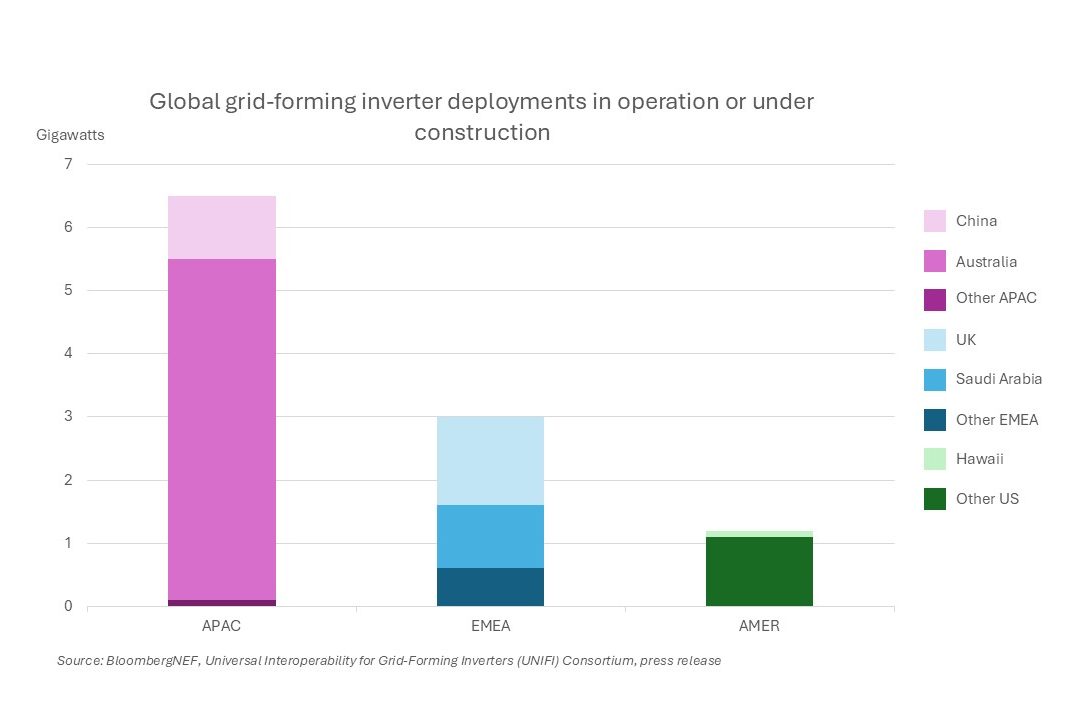
Trên bình diện toàn cầu, chỉ có một số ít dự án đã chứng minh được khả năng tạo lưới (grid-forming) thực sự. Danh mục đầu tư của Úc sẽ đóng góp một số ví dụ lớn nhất và tinh vi nhất trên thế giới.
Bức tranh lớn: Xây dựng hệ điều hành cho năng lượng tái tạo
Hành trình của Úc với pin tạo lưới là một câu chuyện về sự tiến bộ có chủ đích. Từ những bước đi tiên phong được ghi nhận trong báo cáo đầu tiên – chứng minh tính khả thi của khái niệm và phơi bày các rào cản – đến những thông tin chi tiết trong báo cáo cập nhật cho thấy cách các bài học đã được nội bộ hóa bởi toàn ngành, các cơ quan quản lý và các nhà phát triển, mỗi giai đoạn đều củng cố thêm nền móng của một lưới điện hiện đại. Các dự án như Western Downs chứng minh cách chính sách và sự đổi mới được chuyển hóa thành các tài sản thực tế chủ động định hình lại hoạt động vận hành của lưới điện.
Đây không chỉ là vấn đề về lưu trữ năng lượng, đây là vấn đề về khả năng phục hồi (resilience). Pin tạo lưới cung cấp hệ thống giá đỡ vô hình cho một lưới điện an toàn, vận hành bằng năng lượng tái tạo. Chúng là nền tảng của "hệ điều hành" tương lai cho quá trình chuyển dịch năng lượng, cho phép năng lượng tái tạo trở thành hình thức phát điện thống trị mà không làm suy giảm tính ổn định của hệ thống.
Úc đang dẫn đầu thế giới trong việc triển khai các công nghệ này ở quy mô lớn. Năm dự án do ARENA tài trợ được đề cập tới là một trong những hệ thống pin lớn nhất và tiên tiến nhất trên thế giới, định hình lại cách các cơ quan quản lý lưới, các OEM và nhà phát triển nhìn nhận về hệ thống điện. Nhờ quá trình chia sẻ kiến thức có cấu trúc, những thông tin chuyên sâu này đã có sẵn cho toàn bộ thị trường. Những bước đi tiếp theo tại Úc sẽ được thế giới theo dõi sát sao, vì các bài học kinh nghiệm tại đây sẽ ảnh hưởng đến cách mọi hệ thống điện tiên tiến tích hợp năng lượng tái tạo trong thập kỷ tới, đồng thời thiết lập các tiêu chuẩn (benchmarks) để phần còn lại của thế giới noi theo.
Bạn có thể tải xuống toàn bộ Báo cáo Cập nhật Danh mục Pin Tạo Lưới ARENA do Ekistica thực hiện để khám phá các phát hiện chi tiết, bài học và hướng đi tương lai từ danh mục dự án pin tạo lưới của Úc. Đối với bất kỳ ai đang đầu tư, xây dựng hoặc đưa ra quy định cho thế hệ lưu trữ năng lượng tiếp theo, báo cáo này không chỉ là một bản cập nhật đơn thuần. Nó là một lộ trình thiết yếu cho tương lai của các hệ thống điện.
Nguồn: Link

Viết bình luận
Các trường bắt buộc được đánh dấu *